
Because of the times we live in, or even just regular life challenges, Thanksgiving may not feel automatic this year. Between grocery bills that make you do a double take at the checkout, headlines that seem designed to keep your shoulders up around your ears, and a calendar already crowded with school events, work deadlines, and holiday planning, being thankful can feel like one more item on a to-do list that is already multiplying faster than the laundry.
If that's where you are, it doesn’t mean something is wrong with your faith. Feeling stretched thin and feeling grateful can live in the same heart on the same day. But here is what I want you to hear: Thanksgiving may not be automatic this year, but it can still be intentional.
That word matters. Intentional. Gratitude isn't a mood that either shows up or doesn't. It's a practice, and research suggests it's a practice that can influence how your brain works. So, let’s talk about what science says about gratitude, what Scripture says about giving thanks, and a simple nightly habit that I use myself and teach to my clients.
Why Gratitude Feels So Hard When You're Burnt Out

If you're a burnt-out Christian working mom, you may notice that gratitude feels harder right now than it did a few years ago. That isn't a character flaw. When you are carrying the mental load of a career, kids, a marriage, a household, and a church calendar, your brain is spending most of its energy on scanning, planning, and problem-solving. A mind that is constantly looking for what could go wrong has very little room left to notice what is going right.
Psychologists often call this the negativity bias, which is simply the tendency of the human brain to give more weight to threats and problems than to pleasant things. It's a protective feature, and it was never meant to be a spiritual verdict. Add economic pressure and a steady stream of unsettling news, and that bias gets even louder. So when you sit down at the Thanksgiving table feeling more tired than thankful, it doesn't mean you're ungrateful. It means your capacity is stretched, and gratitude is going to need a little help from intention.
What Gratitude Does to Your Brain (and What It Doesn't)

Here is where I love watching science and Scripture shake hands. Your brain is not fixed. Neuroplasticity is the brain's ability to form and strengthen neural pathways through repeated experience and practice. The things you regularly pay attention to become easier for your brain to notice, much like a path through a field gets clearer the more you walk it.
Gratitude research fits that picture. In one often-cited study, participants who wrote weekly about things they were grateful for reported more optimism and fewer physical complaints than people who wrote about hassles (Emmons & McCullough, 2003). A later study found that people who wrote down three good things each day and why they happened reported higher happiness and fewer depressive symptoms for up to six months (Seligman and colleagues, 2005).
The brain imaging work is newer. Researchers at Indiana University had adults who were receiving counseling for anxiety and depression write gratitude letters, and brain scans months later showed different activity in the medial prefrontal cortex, a region involved in learning and decision making, compared to those who didn't write them (Kini and colleagues, 2016). Another study of counseling clients found that gratitude writing was linked to better mental health weeks afterward (Wong and colleagues, 2018).
Now, let me be a responsible therapist for a moment. Many of these studies are small, the effects tend to be modest, and brain imaging is easy to over-interpret. Gratitude is not a cure for anxiety, depression, or burnout, and it is not a substitute for professional care. What the evidence does support is that practicing gratitude is a low-cost way to train your attention, and that it can work alongside therapy rather than instead of it.
What Scripture Says About Giving Thanks
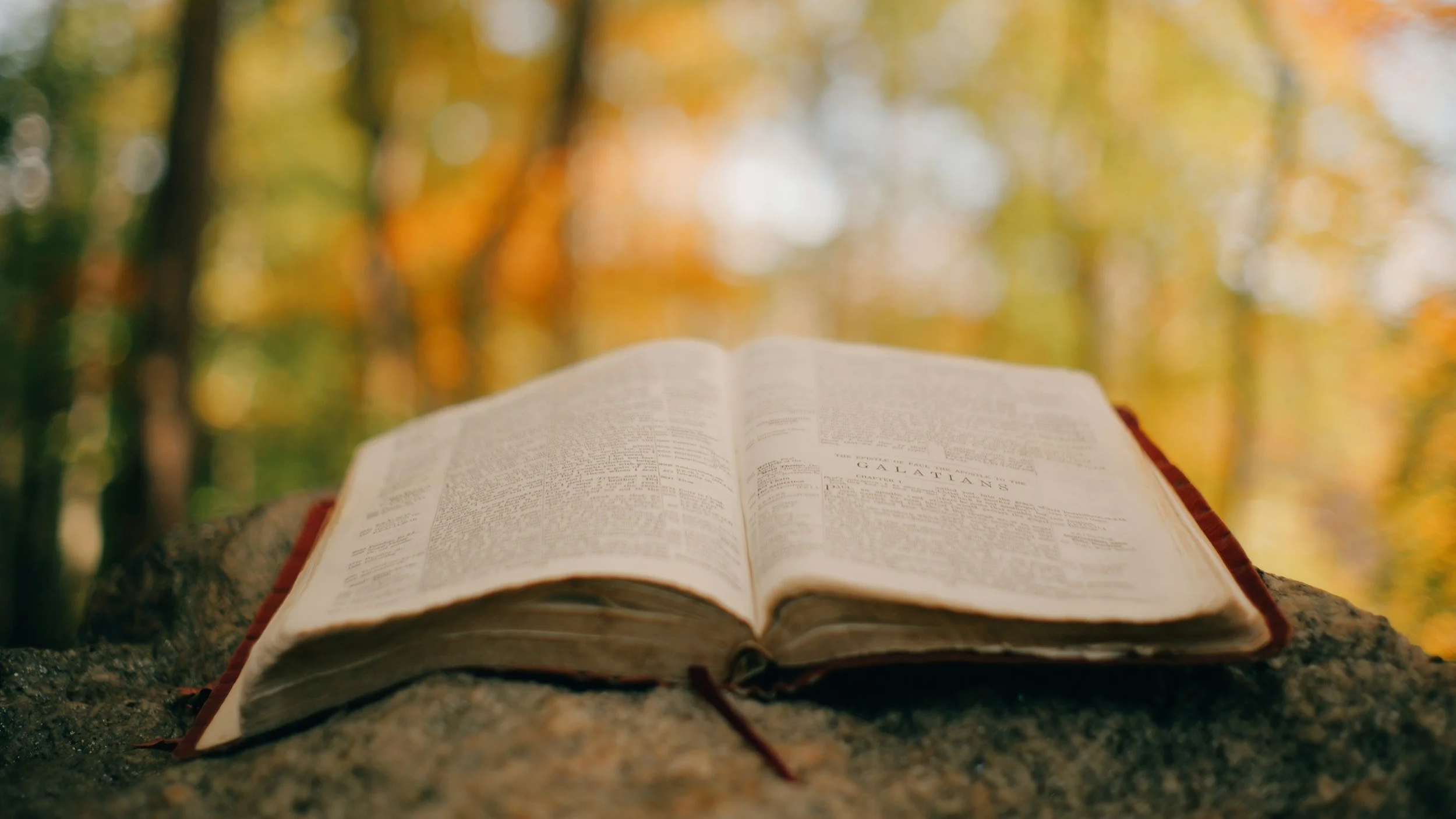
The Bible talks about thanksgiving as something we practice, not something we only feel. In Luke 17, Jesus heals ten men with leprosy, and only one comes back to thank Him. Notice that all ten were healed, but the one who returned stopped, turned around, and gave thanks on purpose. Gratitude was a decision to pause and notice.
Then there's 1 Thessalonians 5:18: "give thanks in all circumstances; for this is the will of God in Christ Jesus for you" (ESV). Look closely at the wording. It says in all circumstances, not for all circumstances. God isn't asking you to pretend a hard season is good. He's inviting you to find something true and good to hold onto while you're in it.
Psalm 100:4 says to "enter his gates with thanksgiving, and his courts with praise" (ESV), which tells me gratitude is a doorway into God's presence. Then Philippians 4:6 pairs thanksgiving with honesty: "do not be anxious about anything, but in everything by prayer and supplication with thanksgiving let your requests be made known to God" (ESV). Notice that the requests are still made. Thanksgiving doesn't replace telling God how hard things are. It sits right next to it.
My Nightly Gratitude List

This isn't just something I talk about in blogs. I write a grateful list every night, and I often teach my clients to do the same, especially during seasons when the news cycle and the checkout line are both stressful. It takes about two minutes, and I promise it's not another thing to perfect.
Here is what I've found makes it work. Be specific, because "my family" is lovely, but "my son laughing at dinner tonight" gives your brain something real to hold. Include small things, like a hot cup of coffee or a green light when you were running late. And on the hard days, write down something you got through, because gratitude doesn't require pretending the day was easy. And, like I tell my clients, “Even if you just have to look around the room and begin naming things you see, or praise God for your teeth, that counts too!”
Making Thanksgiving Intentional This Week
You don't need a new routine, Mama. You need one small practice that fits inside the life you already have. Here are a few ways to start:
Keep it to three. Write down three specific things from today, once a night, on a sticky note or in your phone.
Pair it with something you already do. Brushing your teeth, plugging in your phone, or turning off the lamp can be your cue.
Say one aloud at the table. Let your family hear one thing you're thankful for, and invite theirs without making it a performance.
Name the hard thing honestly. Tell God what's heavy, then add one thing you can thank Him for in the middle of it. (I like to call this respecting the comma. Acknowledge the hard, just don’t put a period there; put a comma.
As you try it, ask yourself what you have been noticing most lately, the problems or the provisions, and what it might look like to give your attention a little more balance this week.
And if gratitude still feels out of reach, or the exhaustion, anxiety, or overwhelm feels bigger than a nightly list can touch, that is not a failure. It's information. It’s information that may be guiding you to seek help instead of trying to survive all on your own. At Greatness Awaits Counseling Services, I help Christian working moms across Texas to untangle burnout, perfectionism, and overwhelm in a way that honors both your faith and your mental health. If you're ready for support this season, reach out to schedule a consultation. You deserve a Thanksgiving where you get to be present, not just productive.